How to Win 1v1 in DUELIST: PvP
Duel patterns, movement reads, and weapon picks for clean arena 1v1s.
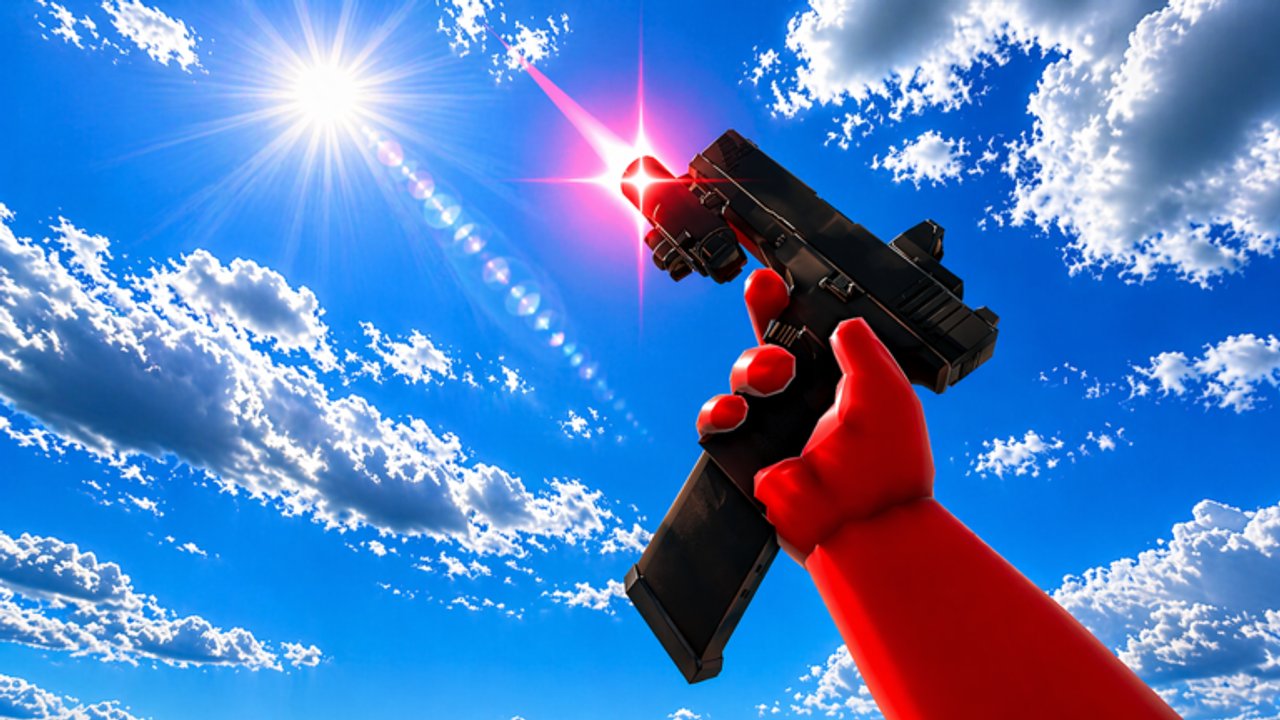
Pure 1v1 is where DUELIST: PvP shows its identity: third-person peeks, fair gun stats, and a dodge that decides close rounds. This guide turns chaotic trades into repeatable patterns so you can climb win rate without relying on cosmetics or lucky matchmaking. Pair it with Controls for input comfort and the Weapon Tier List for matchup context.
Mindset before the first shot
Treat every duel as a short puzzle. Ask three questions on spawn:
- What range does my gun want? Mid favors Assault Rifle; close favors SMG or Shotgun; long favors Sniper.
- Who must take space first? If you hold a stronger angle, wait. If you are stuck in a bad pocket, force a reposition early.
- What is my dodge plan? Decide whether you will bait their shot, dodge through the first burst, or save dodge for the reload window.
Players who empty their magazine first and think later lose to opponents who manage resources. Credits and skins will not save a panicked reload in the open—see economy notes on How to Get Credits and remember skins never change stats.
Core duel pattern: info → commit → reset
1. Gather information with third-person peeks
DUELIST: PvP is third-person. Use the camera to slice corners: expose lens before hitbox. Tap peeks to learn whether the opponent is hard-holding, wide-swinging, or mid-reload. Full angle theory lives on Combat Positioning.
2. Commit on a timer, not on emotion
When you swing, commit with a reason: they reloaded, they whiffed a dodge, they over-peeked, or you have a range advantage. Random hero swings teach bad habits.
3. Reset if the first exchange is even
Even trades often favor the player who reloads safely behind cover. Break LOS, heal the tempo (reload, re-angle), then re-peek from a different height or side.
Dodge is the duel equalizer
Dodge is core to DUELIST: PvP defense. Winning 1v1s means treating dodge as a timed resource, not a panic button.
- Dodge bait: Shoulder-peek or fake a wide swing so they fire early. Dodge through their committed burst, then punish while they are stuck in recovery or empty.
- Dodge through, not away blindly: Dodging deeper into their crosshair without a plan still gets you tracked. Combine dodge with a strafe break and a new angle.
- Save one answer: If both players have dodge available, the second dodge often decides the round. Do not burn yours on a low-threat poke.
Practice sessions should isolate dodge timing: queue 1v1, forbid yourself from spraying while standing still, and only take fights where you consciously choose a dodge beat. Movement-focused reps pair well with the habits from Getting Started.
Spacing and peek types
Soft peek
Minimal exposure to gather info. Soft peeks win when the opponent is jumpy and wastes ammo.
Wide swing
Clear more of the angle quickly. Use when you know their position and want to overwhelm with SMG or Shotgun pressure.
Jiggle / micro-strafe
Break tracking without fully leaving the fight. Excellent with Assault Rifle mid-range spray control.
Vertical change
Drop or climb between peeks so their crosshair must travel. Arenas with height rewards players who refuse to re-peek the same elevation twice—see Combat Positioning.
Weapon choice for 1v1
November 2026 community consensus for wiki rankings:
S-tier duel starters
- Assault Rifle — Best default. Stable mid-range, flexible peeks, strong if your tracking is consistent.
- SMG — Closes distance, shines when you force close fights and chain dodge-ins.
A-tier situational
- Shotgun — Punishes opponents who take lazy spacing. Win by forcing doorways and near corners.
- Sniper — Wins open sightline maps if you hold discipline and avoid close panic.
B-tier flex
- LMG — Better at suppression and team modes; in pure 1v1 it can feel sluggish unless you control long lanes.
- Pistol — High skill ceiling. Great for players who already win with movement; rough as a first main.
Detailed roles and tables: Weapons. Recommended pairs by mode: Loadouts.
Matchup heuristics
- AR vs SMG: Keep mid distance; punish SMG players who dry-peek without cover.
- SMG vs Shotgun: Do not stand still in shotgun range. Strafe, dodge their burst, then melt.
- AR vs Sniper: Deny long hardscopes with angled approaches and unpredictable timing.
- Shotgun vs Sniper: Close the gap through cover chains; never challenge the open lane.
Reading opponent habits
Track three habits within the first two exchanges:
- Do they swing the same side every time? Pre-aim the repeat.
- Do they dodge on sound or on sight? Bait accordingly.
- Do they reload in place? Punish greed with a hard swing.
If they mirror your pattern, break your own routine: change peek width, delay the swing by a half-second, or swap elevation.
Round scripts you can rehearse
Script A — Mid AR control Soft peek → confirm position → jiggle while spraying → dodge their panic burst → finish → reload behind hard cover.
Script B — SMG force close Wide info peek → dodge-in on their first clip → hug off-angle → track while strafing → disengage if a third-party would exist in other modes (in pure 1v1, convert fully).
Script C — Shotgun punish Hold a near corner → wait for their overpeek → burst → immediately reset so you are not free-fired after the shot.
Script D — Sniper patience Hold a clean sightline → take the high-percentage shot → relocate after each miss or kill attempt so they cannot pre-aim your glow.
Common 1v1 losses (and fixes)
- Dying on reload: Reload only after LOS break. Fix by counting shots.
- Wasting dodge early: Hold for the real burst. Fix with deliberate bait drills.
- Same peek twice: Alternate sides and heights. Fix via Combat Positioning.
- Wrong gun for the map: Swap before ego. Check Loadouts.
- Tilt swinging: Reset the mental script; play the next round as Script A.
Practice plan (30 minutes)
- Five minutes sensitivity confirmation on Controls principles.
- Ten minutes AR mid-range tracking in 1v1.
- Ten minutes dodge-bait only rounds (win condition = successful bait, not raw K/D).
- Five minutes review: which deaths were aim, dodge, or angle?
Then expand into team formats via Team Modes once solo duels feel readable. For progression toward Level 50 codes, keep match volume steady and redeem on Codes when eligible.
Winning 1v1 in DUELIST: PvP is not mysterious: gather info, choose a range your gun loves, spend dodge like currency, and reset whenever the first exchange fails to end the fight. Repeat those patterns and the leaderboard climb becomes a byproduct of clean habits.
Frequently Asked Questions
Quick answers for DUELIST: PvP players.
What is the best weapon for learning 1v1?
Assault Rifle is the safest all-round starter. Switch to SMG when you want to practice close-range aggression and dodge-ins.
How do I use dodge without wasting it?
Bait the opponent to fire first, then dodge through the committed burst. Avoid panic-dodging on low-threat pokes.
Should I always wide-swing in third-person?
No. Soft peeks gather info safely. Wide swings are for known positions when your weapon wins that range.
Why do I lose after landing the first shots?
Often reload timing or failing to reset. Break line of sight, reload, and re-peek from a new angle instead of standing in the open.
Do skins help in duels?
No. Skins are cosmetics only and do not change stats. Improve peeks, dodge timing, and weapon-range fit instead.